
A Sister’s Love Against Erasure
L'Amour et les ForêtsThis flow traces Marie-Claire’s devotion to Bénédicte through practical acts of care, final separation, and the preservation of her sister’s identity.
increasing Bearing strength in each event
 decreasing
Bearing strength in each eventdecreasingA Lifelong Pair
A Lifelong Pair
Shared Identity
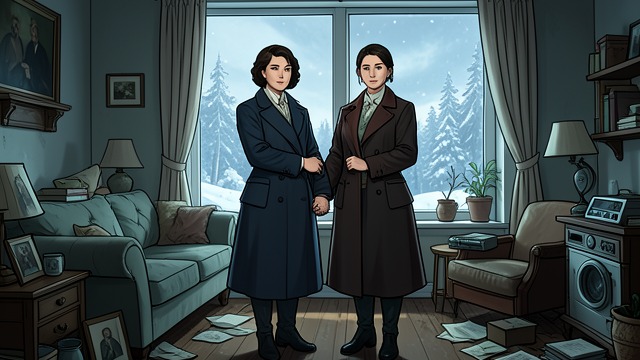
Marie-Claire describes Bénédicte as the central love of her life. Their twin bond provides a form of belonging neither sister has to earn through achievement or marital performance.
The sisters do not always agree, and Marie-Claire disapproves of Bénédicte’s marriage to Jean-François. Yet the attachment remains powerful enough to survive long periods in which Bénédicte conceals her troubles.
Care Made Concrete
Care Made Concrete
Practical Defiance
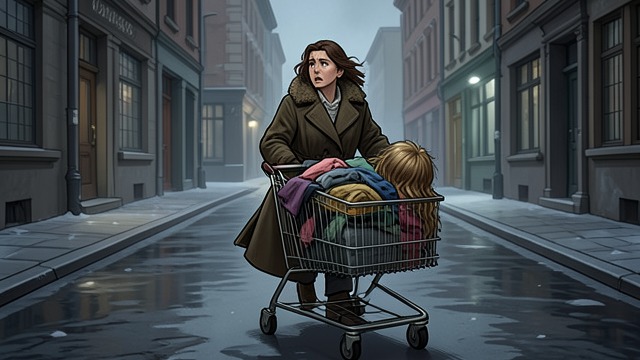
Marie-Claire helps Bénédicte obtain urgent medical attention, challenges her husband’s refusal to heat the house, and takes her shopping for a wig and clothes that restore her preferred appearance.
These gestures do not change the prognosis, but they affirm that Bénédicte remains a person with tastes and choices. Marie-Claire’s care counters a domestic order that treats comfort and beauty as wasteful.
Love at the End
Love at the End
The Final Separation
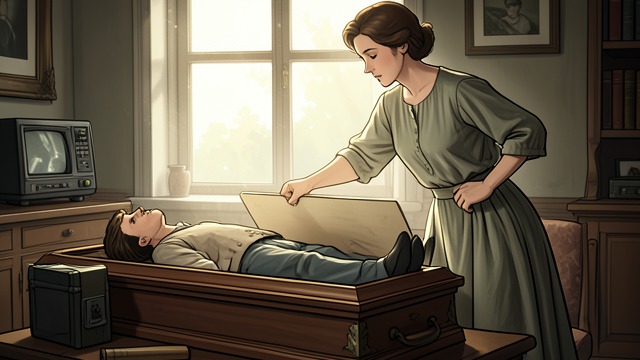
Marie-Claire is with Bénédicte near the end and tries to keep her sister connected to a possible tomorrow. After death, she is devastated when Jean-François removes the body without giving the family a final chance to remain with her.
She insists on proper clothing and mourns the way Bénédicte is left unprepared. Her witness protects the memory of her sister’s actual person against the degrading image imposed after death.
From childhood through adulthood
During Bénédicte’s final cancer treatment
January 2011, in the hospital and morgue
